An Interview With Author Deb Miller
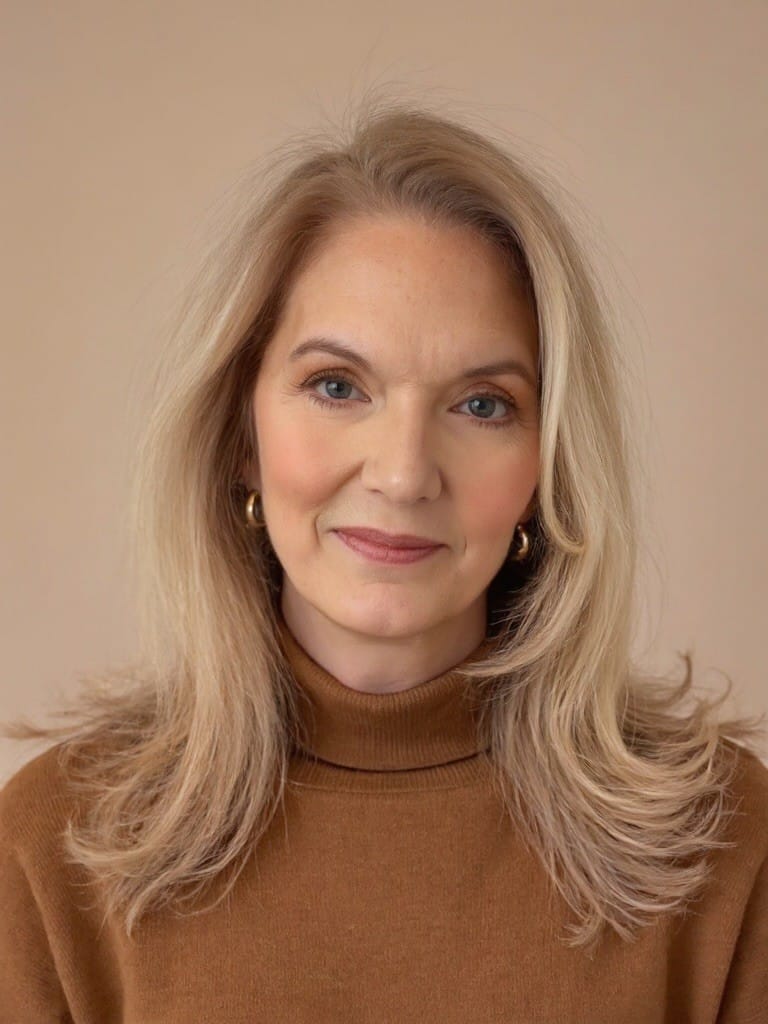
Deb Miller
Author
Deb Miller was raised to believe in Prince Charming, permanence, and the promise that love guaranteed a happy ending. Faced with the collapse of the story she’d built her identity around, she had to decide: rewrite the narrative or remain stuck inside it. In her debut memoir, Deb traces her journey from small-town stay-at-home mom to global marketing executive—navigating heartbreak, single motherhood, an unexpected second marriage that brought both passion and chaos, and the hard-won clarity that followed.
These days, she is a marketing professor at Purdue University and Washington State University—and now an author, though her proudest achievement is raising her three children. She lives in what she likes to say is an enchanted forest outside Seattle, with a view of the Cascade Mountains, where the landscaping projects are endless… and enjoyable.
Describe the story you tell in your book?
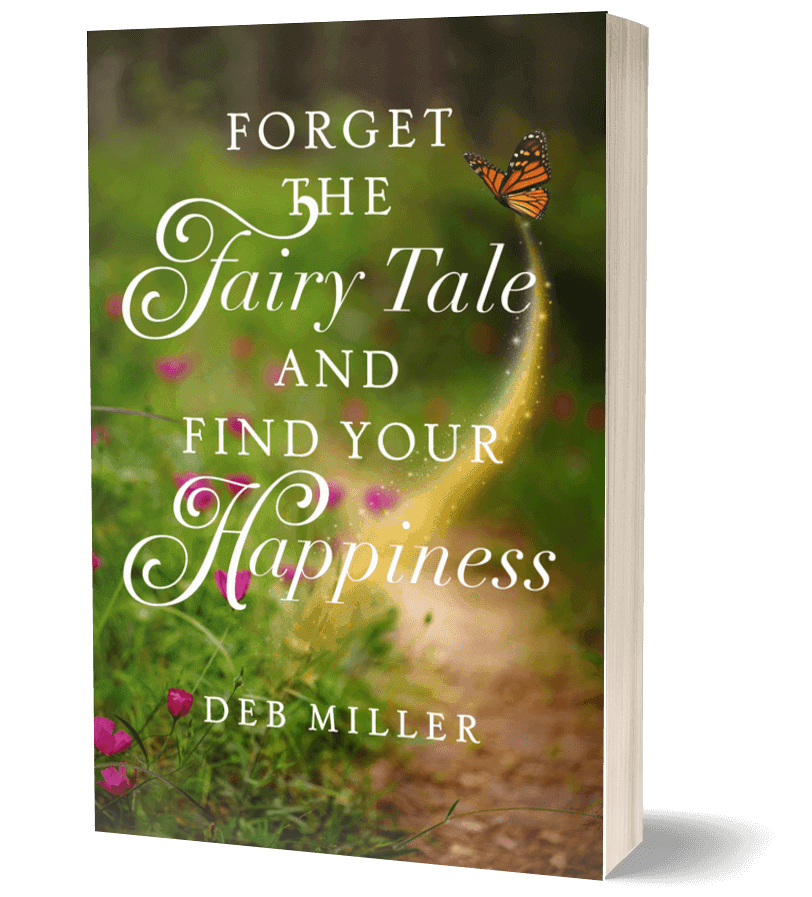
Forget the Fairy Tale and Find Your Happiness is a memoir about flipping the script.
Imagine if Cinderella realized Prince Charming couldn’t deliver her happily ever after—so she climbed onto her own white horse, strapped the kids in behind her, and figured out how to get there herself.
For me, that meant navigating divorce, a chaotic second act, and single motherhood—and ultimately claiming a happily ever after on my own terms.
Who is the publisher and what formats are available?
Forget the Fairy Tale and Find Your Happiness was published by She Writes Press on June 24, 2025.
I chose hybrid publishing intentionally—I didn’t want to spend years querying agents. I wanted to invest in myself and get the story into readers’ hands sooner, and She Writes Press is a leader in that space.
The book is available in paperback, ebook, and audiobook—so readers can experience it however they like.
What prompted you to write this book?
I consider myself an accidental author—writing a book was never on my bucket list.
It started as a pandemic project, right after I became a grandmother. I wanted to capture family stories—something more lasting than a box of photos. But my publisher saw a bigger story and encouraged me to shift the focus from my family to my own journey.
What resonated most was the way I used the evolution of Disney princesses as a metaphor for my transformation—it gave the story a universal lens that connects with readers.
Publishing the book has opened an entirely new chapter for me—new friendships, podcasts, articles, book clubs, speaking events—and I’ve loved every minute of it.
And the best part? Connecting with readers who are ready to question the fairy tale and define happiness on their own terms.
Why did you choose the book’s title?
When I thought the manuscript was finished and ready to submit, my editor, Julie Artz, stopped me and said, “We need a better title.”
The working title was A Princess Path—which, in hindsight, feels a little…narrow.
Forget the Fairy Tale and Find Your Happiness changed everything. It didn’t just name the book—it clarified the message. And it opened doors I didn’t even anticipate, including speaking on happiness at conferences and panels.
So I’ve learned: the right title doesn’t just describe your book—it expands your world.
What are the main themes of the book?
At its core, Forget the Fairy Tale and Find Your Happiness is about self-discovery and empowerment.
The central idea is simple: happily ever after isn’t about finding a prince—it’s about finding yourself.
For generations, women have been handed the same script: find the prince, secure the ring, and everything else falls into place. But real life is more complex—and more interesting—than that.
We were told to dream of glass slippers. The truth? They were never our size. And it’s time we stop trying to squeeze into them.
Were there any characters, scenes, or chapters that were difficult to write?
At almost every book event, someone says that after reading the scenes with my Russian husband, they didn’t know whether to hug me… or slap me.
And honestly? I can relate. Those were some of the hardest chapters to write.
But I stayed grounded in what mattered most—my children. They were always my priority. I made difficult decisions with clarity and intention, and I stand by them today.
Writing those scenes wasn’t easy—but telling the truth rarely is.
What do you hope readers take away from your story?
I hope readers walk away knowing they have more agency than they’ve been led to believe.
As Brenda Chapman, the Academy Award–winning writer and director of Brave, said about the book:
“Despite being taught to believe in princes on white horses saving the day, Deb Miller manages to teach herself (and her readers) to ride her own horse. With character and strength, Deb breaks out of tired traditions while embracing a very important one: motherhood. An inspiring read!”
If there’s one takeaway, it’s this: you don’t have to wait to be rescued—you can create your own happily ever after.
When did you begin writing this book?
I started writing in 2020—like a lot of people, it began as a pandemic project.
The drafting took about two years, on and off. Then came a year and a half of editing—where the real work happens—and another year and a half to bring it through production and publication.
So all in, about five years to its publication in 2025.
Which I now know is pretty typical—but at the time, it felt like a marathon.
Where you did most of your writing for this book?
I wrote the entire manuscript on my office laptop, usually with a cup of hot tea nearby.
Because each chapter opens with a Disney princess epigraph, I found myself rewatching the movies and listening to the soundtracks as part of the creative process. It actually became a rhythm—watch, reflect, write.
I even created a playlist with a song to match each chapter, which readers can find on my website. And thanks to my ties with Washington State University, a group of student interns helped expand that into themed playlists—including pop, ’70s, and yes… even a Taylor Swift version.
Because, let’s be honest—Taylor has a song for everything.
What were your greatest challenges in writing this book?
One of the biggest challenges wasn’t the writing—it was navigating the publishing and marketing decisions afterward.
If I’m being honest, I’m not sure I needed a publicist—or at least not the one I had. With my marketing background, I found I could navigate that space more effectively myself.
If I could do it again, I’d invest more heavily in marketing—ads, events, and direct reader engagement—rather than traditional PR.
That said, the greatest satisfaction has been connecting with readers. There’s nothing better than hearing someone say, “This made me rethink my own story.” That’s why you do it.
Which authors inspire you?
Structurally, I was inspired by Cheryl Strayed’s Wild.
Many people remember how that story opens—with her losing a hiking boot on the Pacific Crest Trail—and then circles back to show how she got there before moving forward again.
I use a similar “e-structure” in my book—looping back to pivotal moments and then continuing beyond them. It mirrors real life: we revisit, we reframe, and then we move forward.
Because growth isn’t linear—it curves, just like a lowercase “e.”
What 3 tips of advice do you have for aspiring women looking to write their first book?
I’ll focus on the marketing phase, because that’s where I bring the most experience.
First, do what feels authentic to you. Readers can tell when something is forced. For me, that meant hosting a “Pub Day at the Pub” on launch day—buying a beer for anyone who bought the book—and having actresses perform scenes at my bookstore event instead of doing a traditional reading. I lean into a little drama.
Second, lead with your message, not just your book. When I speak about the science of happiness, it resonates far more than simply saying, “buy my memoir.”
And third, take the “me” out of memoir. Focus on what the reader gains.
Because at the end of the day, readers aren’t buying your story—they’re buying what your story does for them.
What are you working on next?
Technically, my first “book” was my doctoral dissertation. During that time, I wrote a qualitative research piece about my mother’s recovery from vascular dementia, and a professor encouraged me to publish it.
Years later, I still receive monthly reports showing that 100 to 200 people are downloading it—thousands of readers in total. That’s been incredibly meaningful.
My mom passed away at 98, but she loved being in print. She would proudly introduce me as “Dr. Miller” to everyone in her retirement community—who, of course, assumed I was a medical doctor and immediately told me their ailments. I stopped correcting them. Mom was beaming.
More recently, I’ve written several articles supporting the book launch. One of my favorites is my Brevity Blog piece, “Once Upon an Epigraph.” I’d love to continue writing shorter pieces like that. But as for another book? Never say never… but none are planned right now.
Anything you would like to add?
So many of us spend decades doing for others—raising children, caring for parents and partners, building careers, holding everything together. But at some point, the question shifts: What do I want now? What brings me joy?
Writing can help answer that. It’s not about becoming a professional author or even publishing a book. It’s about reflecting, healing, and honoring your own journey. It’s about making meaning from memory—and maybe even leaving something lasting for the people you love.
Most of all, it’s about remembering this: it’s your life. You’re the author.
And the best chapters may still be ahead.
How can readers follow you?
I’m hosting a panel for Mother’s Day here in Seattle with 3 other authors.
Sharing that link below.
Putting Mom on the Page (Without Getting Grounded) — Panelists: Lynn Walker, Gretchen Staebler, Ronit Plank, Deb Miller
A Mother’s Day Memoir Panel Saturday, May 2, Woodinville, WA Library, 11:30am-1:00pm
Contact links for Deb Miller
- Website: https://forgetthefairytale
- IG: @forget_the_fairy_tale
- FB: forgetthefairytale
- TikTok: forgetthefairytale
- Email: forgetthefairytale@gmail.com
Follow Me Here
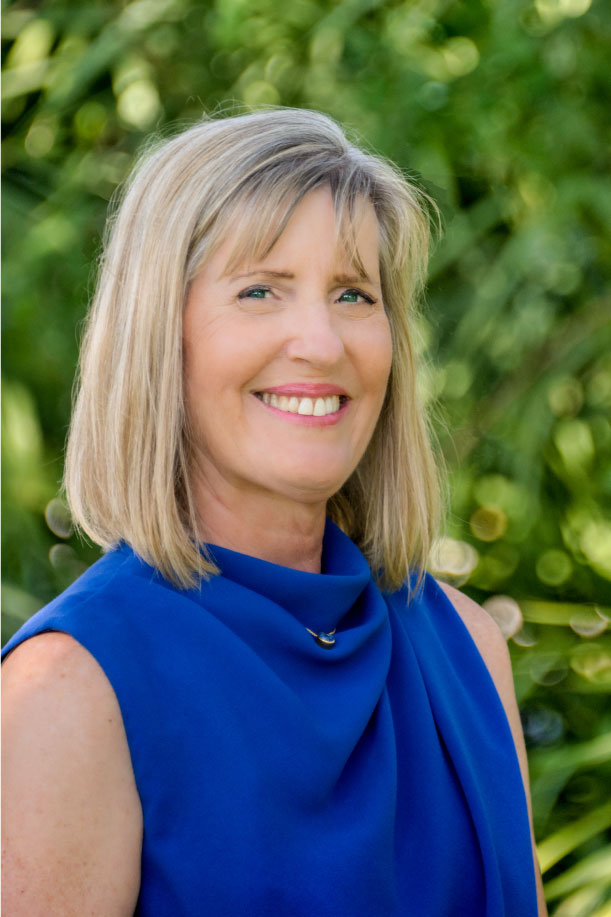
Julie McGue
Author
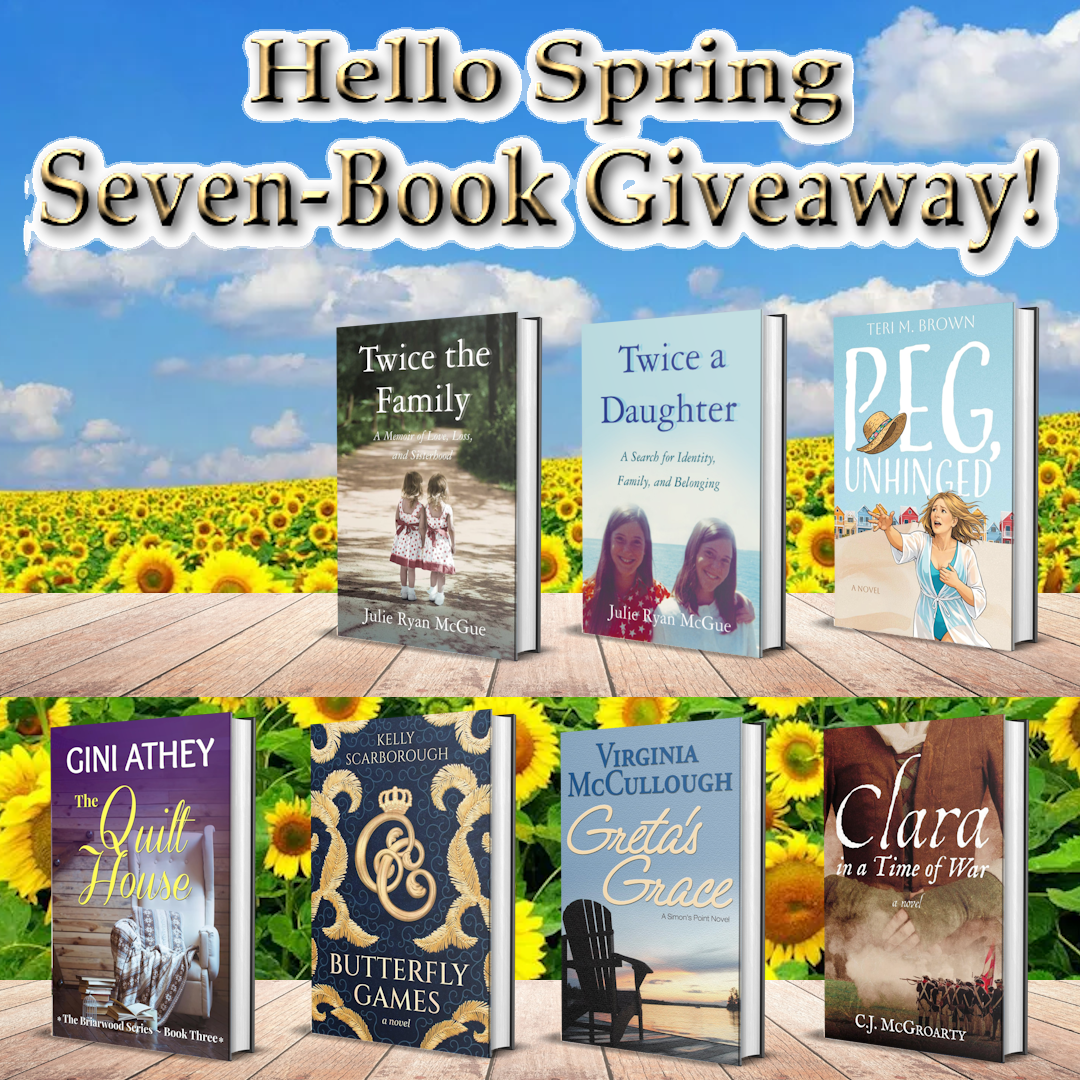
Now through May 10, 2026, sign up here and you are automatically entered to win a signed copy of Butterfly Games, by Kelly Scarborough, The Quilt House, by Gini Athey, Greta’s Grace, by Virginia McCullough, Clara in a Time of War, by C.J. McGroarty, Twice the Family and Twice a Daughter, by Julie Ryan McGue, and Peg, Unhinged, by Teri M.Brown!
June 20, I will connect with fellow local authors at the Chicago Writer’s Association conference in downtown Chicago, held at The Steppenwolf Theatre.
June 25-28, I will attend the American Library Association (ALA) conference and exhibition at Chicago’s McCormick Place. I will be signing books at the IBPA booth, details to follow.
July 16-19, Again this year, I will attend the Understory Writer’s Conference again in Park City, Utah.
Aug. 15, DJ and Lulu Go to the Car Wash––the second book in my children’s literature series, Let’s Go With Lulu–– will be published by Muse Literary. And I pleased to announce that book three is already in the works.
October 9-11, Next Fall, I will attend the She Writes Press author retreat at the Westin Rancho Mirage Resort in Palm Springs, CA with keynote addresses from Christina Baker Kline, Gina Frangello, and Piper Kerman. Thrilled to be selected as a panelist for the panel, “Marketing for Memoirists.”
The audiobook for Twice the Family, A Memoir of Love, Loss, and Sisterhood released on Audible (ACX) on February 4th. It’s also available on Spotify, Story Tel, Audiobooksnow, hoopla, CHIRP, and KOBO.
Follow Julie by visiting her website, subscribe to her bimonthly newsletters, and listen to previous podcast recordings where she discusses topics like adoption, identity, family relationships, sisterhood and belonging.
“So many of us spend decades doing for others—raising children, caring for parents and partners, building careers, holding everything together. But at some point, the question shifts: What do I want now? What brings me joy?“
Don’t miss a blog post!
Receive my blog posts directly to your inbox.