Meet Siobhan Hartsell: The Woman Behind The Innkeeper’s Wife
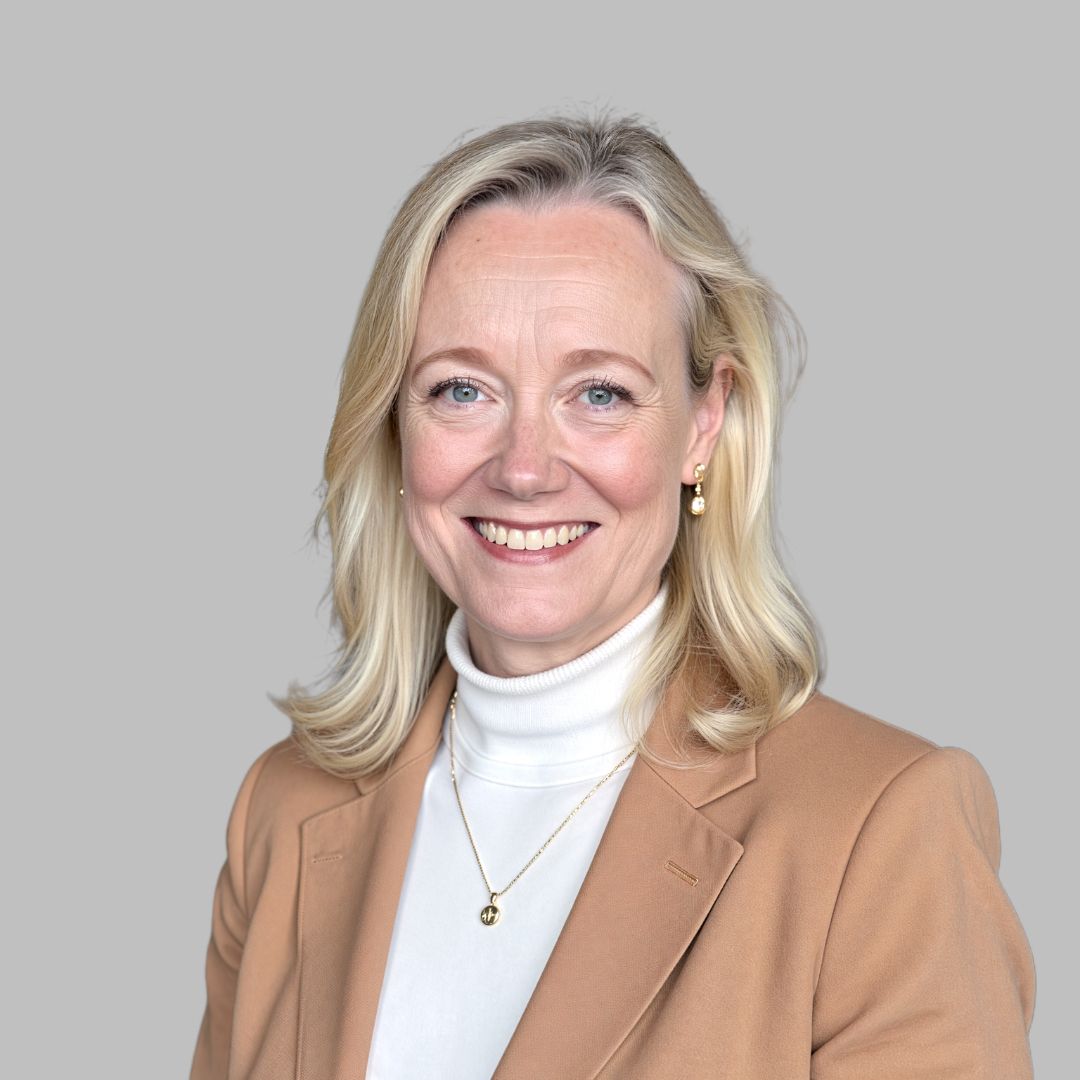
Siobhan Hartsell
Author
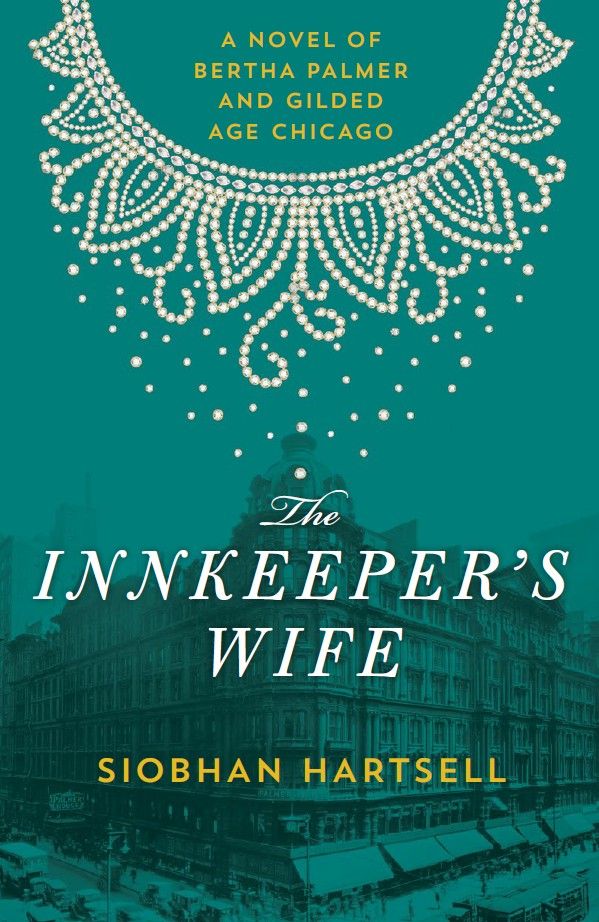
Step into Gilded Age Chicago with historical novelist Siobhan Hartsell, author of The Innkeeper’s Wife: A Novel of Bertha Palmer and Gilded Age Chicago.
In this interview, Hartsell shares how her career in radiation oncology and her work as a Chicago Architecture Center docent led her to writing historical fiction. She also discusses the remarkable woman behind her novel, her quiet 4:30 a.m. writing routine, and why she chose independent publishing to bring Bertha Palmer’s overlooked story to readers.
Read the full interview here or on my That Girl, This Life blog and discover the ambition, influence, and enduring legacy of one of Chicago’s most fascinating women.
Julie: You and I have known each other since our daughters were in elementary school, and it’s been great fun for me to be part of your writer journey. Tell the readers a little about yourself.
Siobhan: I’m a retired medical dosimetrist. I spent 30 years working in radiation oncology. A medical dosimetrist is part of the cancer care team and creates the detailed radiation treatment plans that help deliver the right dose of radiation to the tumor while protecting healthy tissue.
In the 1970s, if you were a girl who was good at math and science, you were encouraged to go into STEM. When I went to college, I thought I would become an engineer. The summer after my freshman year, I got a job at my local hospital and ended up working with the medical physicist in radiation oncology. I loved the work, and that became my career.
When I retired, I started thinking about what I wanted to do with the next chapter of my life. My four kids were raised, and I found myself asking, “What do I want to do now?”
In 2015, I became a docent with the Chicago Architecture Center. I discovered how much I loved the research and storytelling that came with giving tours. I loved learning the stories behind Chicago’s buildings and the people who shaped the city and then sharing those stories with others. That love of research and storytelling is what led me to Bertha Palmer. The more I learned about her, the more fascinated I became, and eventually that became The Innkeeper’s Wife.
Julie: What inspired you to write this book?
Siobhan: The answer really goes back to my work as a docent with the Chicago Architecture Center. As I gave tours and researched Chicago’s history, I kept coming across Bertha Palmer. Everyone knew the Palmer House Hotel and her husband, Potter Palmer, but I was surprised by how little people knew about Bertha herself.
The more I learned about her, the more fascinated I became. She was intelligent, determined, and played an important role in shaping Chicago, yet her story was often overshadowed by the people and events around her. I wanted to explore who she was beyond the familiar names and landmarks and help readers understand her ambitions, challenges, and accomplishments.
That is really where The Innkeeper’s Wife began. It started with curiosity, and the more I researched Bertha Palmer, the more convinced I became that her story deserved to be told.
Julie: How would you describe the story you tell?
Siobhan: I would describe The Innkeeper’s Wife as the story of Bertha Palmer and the role she played in shaping Chicago during a remarkable period of change. Her life spanned two defining moments in the city’s history: the rebuilding after the Great Chicago Fire and the World Columbian Exposition of 1893.
What fascinated me about Bertha was that she was so much more than the wife of Potter Palmer or the name connected to a famous hotel. She was intelligent, ambitious, and had a strong vision for the city she called home.
The book is really about getting to know Bertha as a person and understanding the role she played in shaping Chicago.
Julie: Why write it now?
Siobhan: I think the timing just felt right. I think people are becoming more interested in the stories of the people who helped build our cities, especially the ones we haven’t always heard about. Bertha Palmer’s story is a wonderful example of that.
She was part of so many important moments in Chicago’s history, and I wanted readers to have the chance to discover the woman behind the familiar name and landmarks connected to her.
Julie: How did you develop your writing routine?
Siobhan: I had heard other writers say that the only way to get writing done was to make it part of your daily routine, so that is what I did. I’m usually up around 4:30 in the morning, and I make a pot of tea before I sit down to write.
I love those quiet hours when the house is still asleep and there are no distractions. It has become my favorite part of the day. There is something about that peaceful time in the morning that helps me focus, and it is when I do some of my best writing.
Julie: What has your publishing path been like?
Siobhan: The Innkeeper’s Wife is published by my own independent publishing company, Windy City Gilded Press, and released on August 19th. The book is available in hardcover, paperback, eBook, and audiobook formats.
Last summer, I had an agent express interest in the book, but she explained that if it was picked up, it could be three to five years before it was published. I realized I didn’t want to wait that long to share Bertha Palmer’s story with readers.
I belong to Story Summit, an online writing community, and they offered a class on independent publishing. Through that class, I was introduced to Polly Letofsky at My Word Publishing, who helped guide me through the publishing process.
I decided independent publishing was the right path for me because it allowed me to move forward on my own timeline while still having professional guidance and support. I have learned so much through this process. Being able to choose my book cover designer, audition audiobook narrators, and be involved in the many decisions that go into publishing a book has been a wonderful experience.
One thing I discovered is that when a writer types, “The End,” it doesn’t actually mean the end. It turns out that is just the beginning of a whole new journey of learning, from editing and publishing to everything that comes with bringing a book to readers. It has been an exciting and rewarding journey, and I’m grateful I had the opportunity to tell Bertha Palmer’s story.
Follow Me Here

Julie McGue
Author
October 7 & 27: I’m co-teaching two webinars for the Author Learning Center at 1:30-2:30 ET with author Jennifer Briggs, titled: Memoir or Fiction: Choosing the Right Path.
October 9-11: Find me at the She Writes Press author retreat at the Westin Rancho Mirage Resort in Palm Springs, CA. Thrilled to be selected as a presenter for the panel, “Marketing for Memoirists,” and can’t wait to see my She Writes’ sisters.
October 23-25: I’ll be joining fellow writers at Florida WritersCon in Orlando, Florida. The FWA Collection, Volume18: Fragments anthology will be released during the conference. I’m proud to have one of my essays included in the collection.
March 8 – 12, 2027: I will attend the Her Spirit women’s writing retreat put on by Story Summit in Tucson, Arizona at El Conquistador Tucson, A Hilton Resort.
Publishing News
Spring of 2027: I’m pleased to announce that Book 2 in my Let’s Go with Lulu children’s book series, Lulu and DJ Go to the Car Wash, will release with Atmosphere Press. It’s based on the real-life story about adventures with my oldest grandson during the COVID era.
November 2027: the re-envisioned collection of my essays, titled Belonging Matters: Conversations on Adoption, Family, and Kinship, will be re-published by She Writes Press. I’m thrilled to move this work under the same publishing umbrella that offers my two memoirs: Twice a Daughter, and Twice the Family.
Follow Julie by visiting her website, subscribe to her bimonthly newsletters, and listen to previous podcast recordings where she discusses topics like adoption, identity, family relationships, sisterhood and belonging.
“I would describe The Innkeeper’s Wife as the story of Bertha Palmer and the role she played in shaping Chicago during a remarkable period of change. Her life spanned two defining moments in the city’s history: the rebuilding after the Great Chicago Fire and the World Columbian Exposition of 1893.”
Don’t miss a blog post!
Receive my blog posts directly to your inbox.